
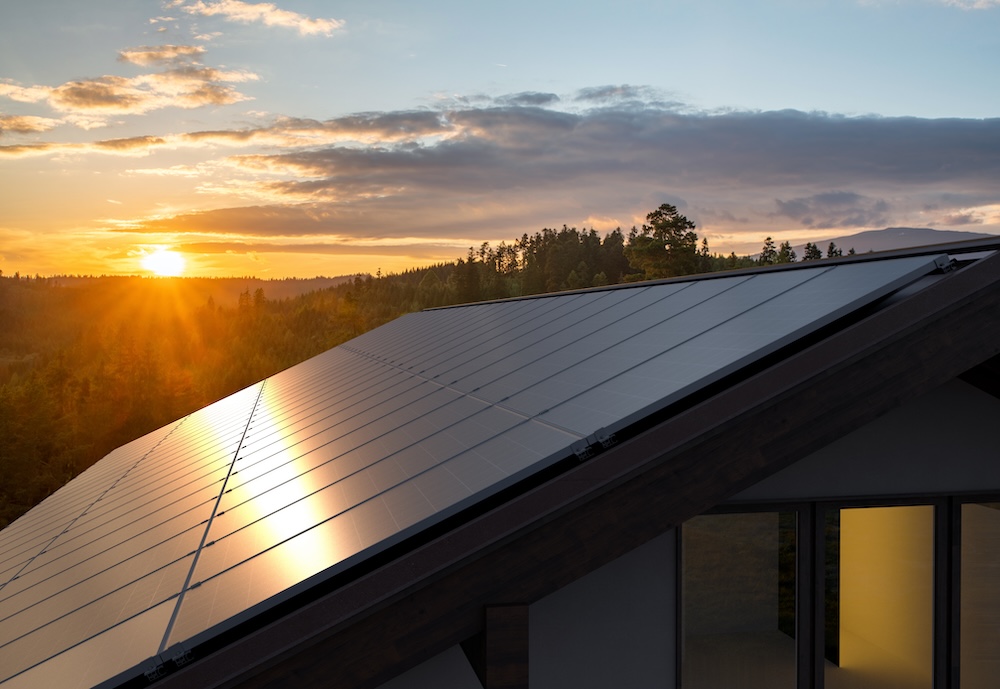
Understanding What Solar Really Costs in 2026
Residential solar installation remains one of the most effective long-term investments homeowners can make to control energy expenses and increase property value. However, the cost of solar in 2026 is influenced by multiple technical, structural, and financial variables.
There is no universal price for a solar system. Two homes of similar size can receive substantially different proposals based on energy usage, roof configuration, equipment selection, and utility structures.
Understanding what drives system pricing — and what determines long-term savings — allows homeowners to evaluate proposals with clarity before requesting a formal quote.
Average Solar Installation Cost in 2026
In 2026, most residential solar systems fall within the following general ranges before incentives:
- Small systems (4–6 kW): $12,000 – $20,000
- Mid-size systems (7–10 kW): $18,000 – $30,000
- Larger systems (11–15+ kW): $28,000 – $45,000+
Final cost depends on:
- Equipment tier and panel efficiency
- Roof condition and structural complexity
- Electrical upgrades
- Battery storage integration
- Local permitting requirements
After applying available federal tax incentives and applicable regional programs, net system cost may be significantly reduced.
A customized savings analysis provides the most accurate projection.
What Determines Solar Pricing?
1. System Size (kW Capacity)
System size is based on household energy consumption, not solely roof size. Homes with higher electrical usage — particularly those operating heat pumps, EV chargers, or electric appliances — require larger systems to offset consumption.
Higher capacity increases total cost but also increases total long-term savings.
2. Equipment Selection
Panel efficiency, inverter type, and mounting systems affect both price and performance.
- Standard efficiency panels: Lower upfront cost
- High-efficiency premium panels: Higher production in limited roof space
- Microinverters vs. string inverters: Performance optimization vs. cost efficiency
3. Roof Condition and Structural Readiness
Installing solar on an aging roof may require panel removal and reinstallation within several years — an avoidable cost when projects are coordinated.
Roof age and integrity directly affect installation planning. If the roof is nearing the end of its lifespan, replacement prior to solar installation is often financially prudent.
My Local Pro provides integrated roofing and solar planning to protect long-term system value.
4. Shading and Site Preparation
Tree coverage, roof orientation, and structural obstructions impact panel layout and production efficiency.
- Shading may require:
- Tree trimming or removal
- System resizing
- Panel reconfiguration
Addressing shading issues before installation ensures maximum energy generation and optimized financial return.
5. Battery Storage Integration
Adding solar battery storage increases upfront cost but enhances:
- Outage resilience
- Energy independence
- Time-of-use savings optimization
- Peak demand cost control
Battery systems typically add $8,000 – $20,000+ depending on capacity and configuration.
Understanding Payback Period and Long-Term Savings
Solar payback period refers to the time required for cumulative energy savings to equal net system cost.
In 2026, most residential systems achieve payback within:
- 6–10 years, depending on electricity rates, incentives, and system size
Key variables influencing payback include:
- Local utility rates and rate escalation
- System production efficiency
- Incentive eligibility
- Financing structure
- Battery integration
As electricity costs continue to rise, long-term savings potential increases proportionally.
A properly designed solar system can generate decades of reduced utility expense beyond the initial payback window.
Financing Options for Solar Installation
Solar financing structures in 2026 include:
- Cash purchase
- Solar loans (secured or unsecured)
- Power Purchase Agreements (PPAs) or solar leases (third-party owned systems)
- Hybrid financing bundled with roofing or HVAC upgrades
Financing allows homeowners to align monthly payments with projected energy savings, often minimizing or eliminating net monthly cost impact.
Integrated financing strategies are particularly advantageous when combining solar with roof replacement or battery storage.
Solar + Whole-Home Energy Strategy
Solar performance and financial efficiency are enhanced when integrated with broader energy planning.
Combining solar with:
- High-efficiency HVAC systems
- Heat pumps
- Battery storage
- Roofing upgrades
Creates a cohesive energy strategy that maximizes long-term savings and home value.
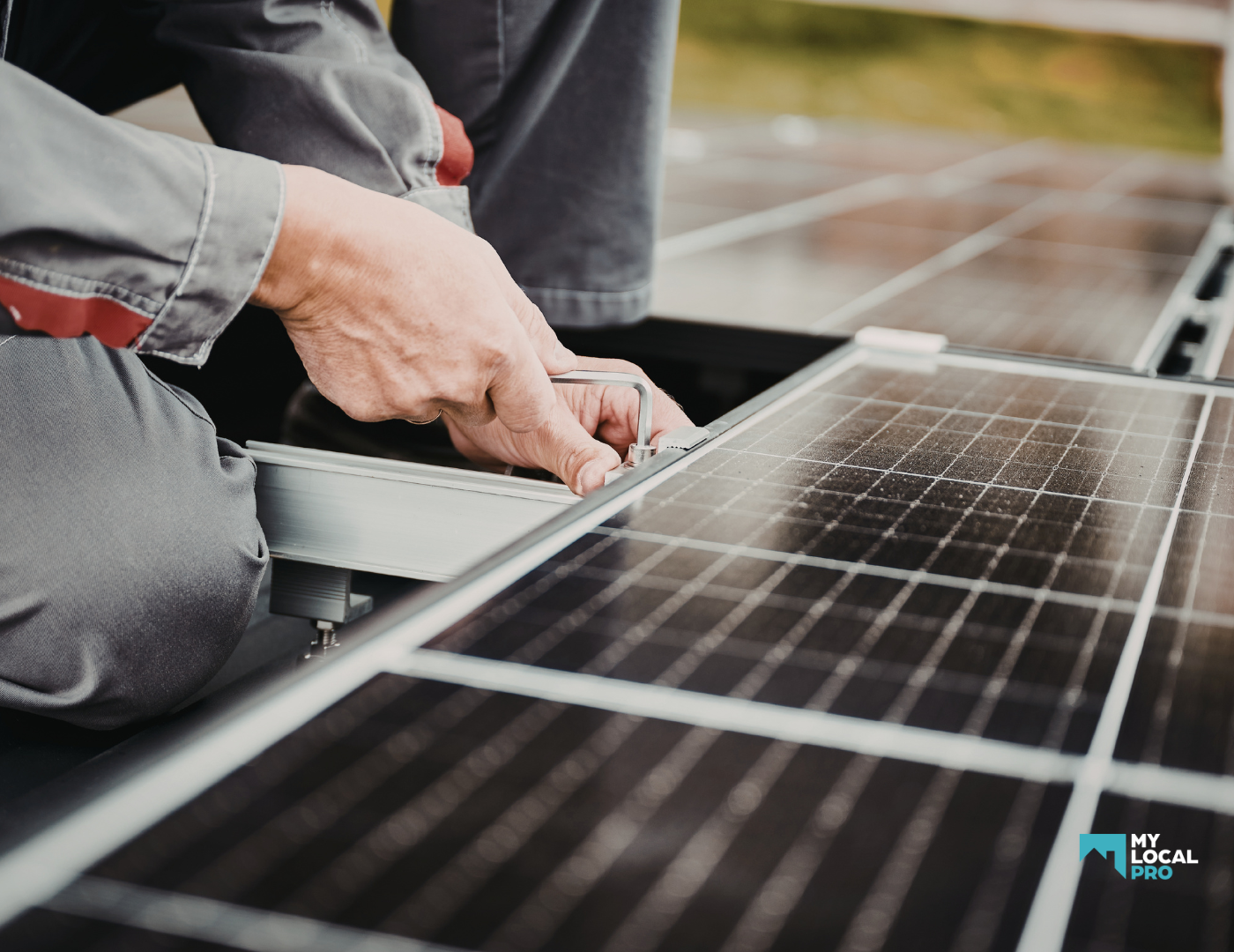
A fragmented approach may reduce overall efficiency and increase long-term costs.
Why a Professional Solar Assessment Is Essential
Online calculators provide generalized estimates, but accurate system design requires:
- Detailed energy usage analysis
- Roof pitch and orientation review
- Shade mapping
- Structural assessment
- Utility rate evaluation
- Incentive qualification analysis
A professional assessment produces a customized production model and financial projection tailored to your property.
This ensures pricing reflects real performance potential rather than theoretical averages.
Request Your Custom Solar Savings Report
Before requesting a formal installation proposal, begin with a comprehensive evaluation.
My Local Pro provides:
- Customized solar system design
- Roof condition assessment
- Shade and site analysis
- Battery storage planning
- Integrated roofing and energy upgrade consultation