
Overview
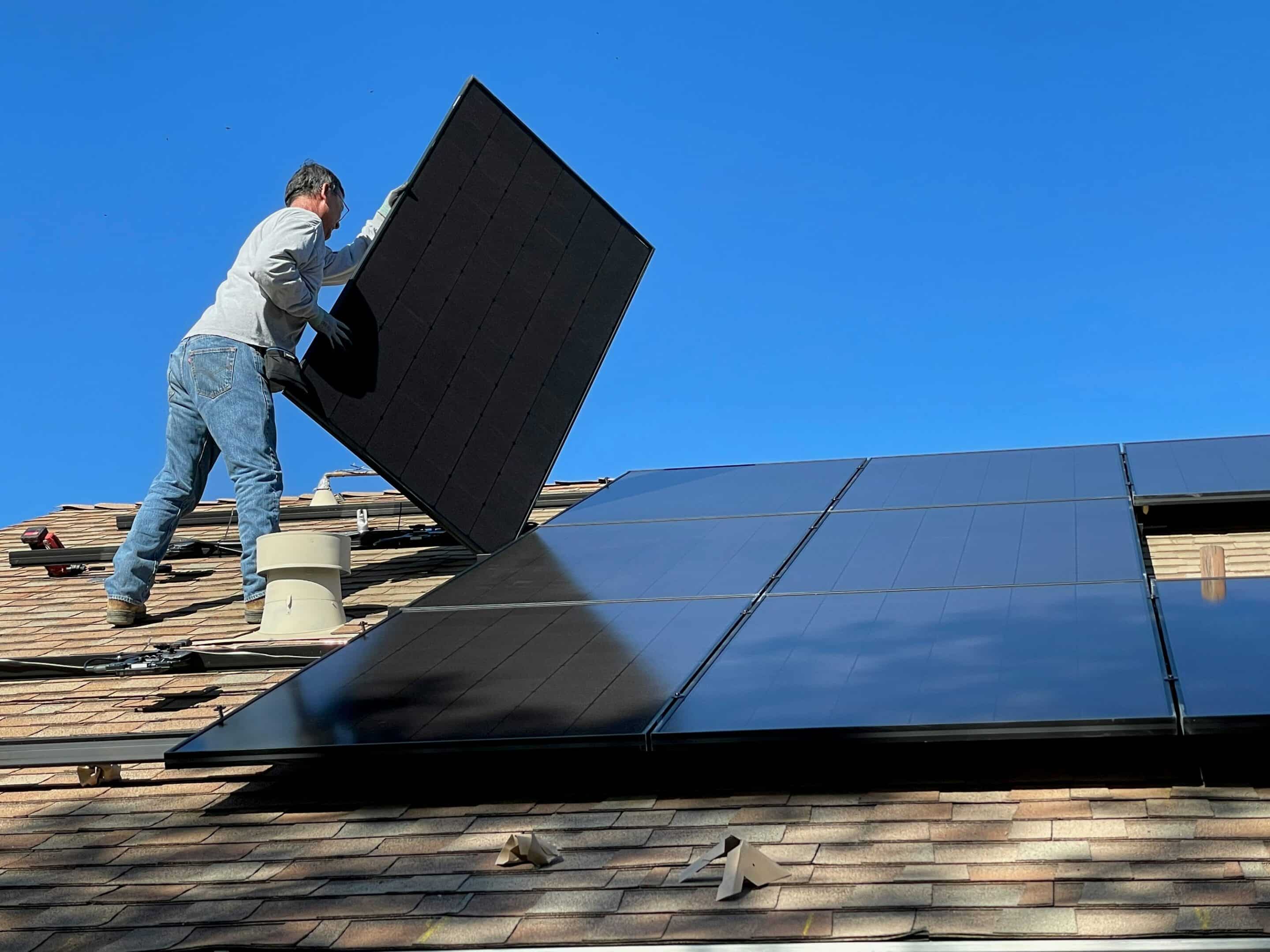
The Solar Massachusetts Renewable Target (SMART) 3.0 Program, administered by the Massachusetts Department of Energy Resources (DOER), is a tariff-based incentive for solar PV systems. Launched on October 15, 2025, SMART 3.0 promotes cost-effective residential solar adoption in Massachusetts while emphasizing equity, environmental safeguards, and ratepayer savings (projected at $300 million in 2026).
Eligibility Requirements
- Eligible projects must interconnect with Eversource, National Grid, or Unitil utilities.
- Residential customers with 25 kW AC or less are eligible.
- Systems must meet land-use rules (e.g., no overlap with protected habitats).
- Must apply through utility portals, incentive is paid monthly by the utility for 20 years.
Program Capacity:
- 900 MW total capacity available in 2025
Incentive Details
- SMART 3.0 provides a flat per-kWh incentive rate for residential systems under 25 kW
- $0.03/kWh for standard customers
- $0.06/kWh for low-income households (qualified via needs-based programs or self-attestation).
- Adders may apply for battery storage or low-income properties.
- Residential systems (25 kW or smaller) are no longer eligible for the Energy Storage adder under SMART 3.0.
- Incentives are received monthly as direct payments via check, starting after system interconnection and claim approval.
- Monthly payments continue for 20 years, with your incentive rate locked in at the time of enrollment.
- Rates adjust annually based on DOER assessments considering solar costs, participation, greenhouse gas goals, and ratepayer impacts—potentially decreasing if costs fall or increasing for equity focus.
Enrollment Process
- Customers sign a contract with a certified solar installer.
- Installer submits a Statement of Qualification Application via the utility portal.
- Portals:
- Checklist of the required documents that will need to be submitted with initial Application and Claim submissions
- Application Fee $142
- DOER issues a Preliminary Statement of Qualification if eligible.
- The system is installed and interconnected to the grid.
- Installer submits final claim; upon approval, incentives begin monthly.
Key Equations and Examples
Smart 3.0 Equation:
Incentive Rate = Base Compensation Rate + Adders (e.g., low-income or storage) – Value of Energy
Where Value of Energy is the 3-year average utility rate (supply, transmission, distribution).
Residential Customer Example:’
For example, a 12 kW residential solar system in Massachusetts (without adders, assuming ~14,400 kWh annual production):
- Incentive Rate = $0.03/kWh (flat base under SMART 3.0).
- Annual Incentive = 14,400 kWh × $0.03/kWh = $432.
- Total over 20 years = $8,640 (paid monthly; actual production varies by location and efficiency).
Comparing SMART 1.0, 2.0, and 3.0
Original SMART program:
SMART (1.0) launched in 2018 and used a fixed declining block structure (3,200 MW cap, rates dropped 4% per block as capacity filled), leading to unpredictable incentives and zero rates in later blocks.
SMART 3.0 Program:
Replaces this with annual adjustable rates and capacity (e.g., 900 MW in 2025), flat rates for residential systems, stronger low-income adders (e.g., $0.06/kWh vs. standard $0.03/kWh), mitigation fees for large ground-mounts, and enhanced consumer protections (e.g., no early termination fees).
Differences Between SMART 2.0 and SMART 3.0:
SMART 2.0:
Retained the declining block model from 1.0, causing sharp incentive drops (e.g., to near-zero by 2023 due to high utility rates) and favoring large developers.
SMART 3.0:
Shifts to annual assessments for rates and capacity, introduces flat residential incentives ($0.03-$0.06/kWh), expands low-income eligibility (e.g., homeless shelters), requires 40% low-income enrollment in community solar, and adds environmental safeguards like mitigation funds for biodiversity.
What About RECs?
Residential solar customers cannot claim both SMART 3.0 incentives and RECs, as SMART participants assign RECs to the utility in exchange for the tariff payment—preventing double-dipping.
SMART 3.0 has better financial value for most customers because it offers fixed, predictable payments ($0.03-$0.06/kWh over 20 years) without market volatility, while REC sales (via SREC markets, closed to new systems since 2018) fluctuate with demand. SMART also integrates with net metering for additional savings, making it more reliable for residential budgets.
Resources
- SMART 3.0 Program Details
- Massachusetts Department of Energy Resources (DOER) official announcement on SMART 3.0 launch
- SMART 3.0 finalization and incentives
- SMART 3.0 emergency regulations
- SMART 3.0 guide
- Massachusetts SMART program in 2025
- SMART incentives
- SREC markets and SMART relation
- MA solar incentives in 2025